

Where Should You Place Your Skip During a Home or Building Project?
Choosing where to position a skip may seem like a small part of project planning, but the location can have a significant effect on convenience, accessibility and the smooth running of the work. Whether you are clearing a house, renovating a rental property, managing building work or overseeing a commercial site, planning the placement before arranging skip hire can help prevent avoidable problems once the container arrives.
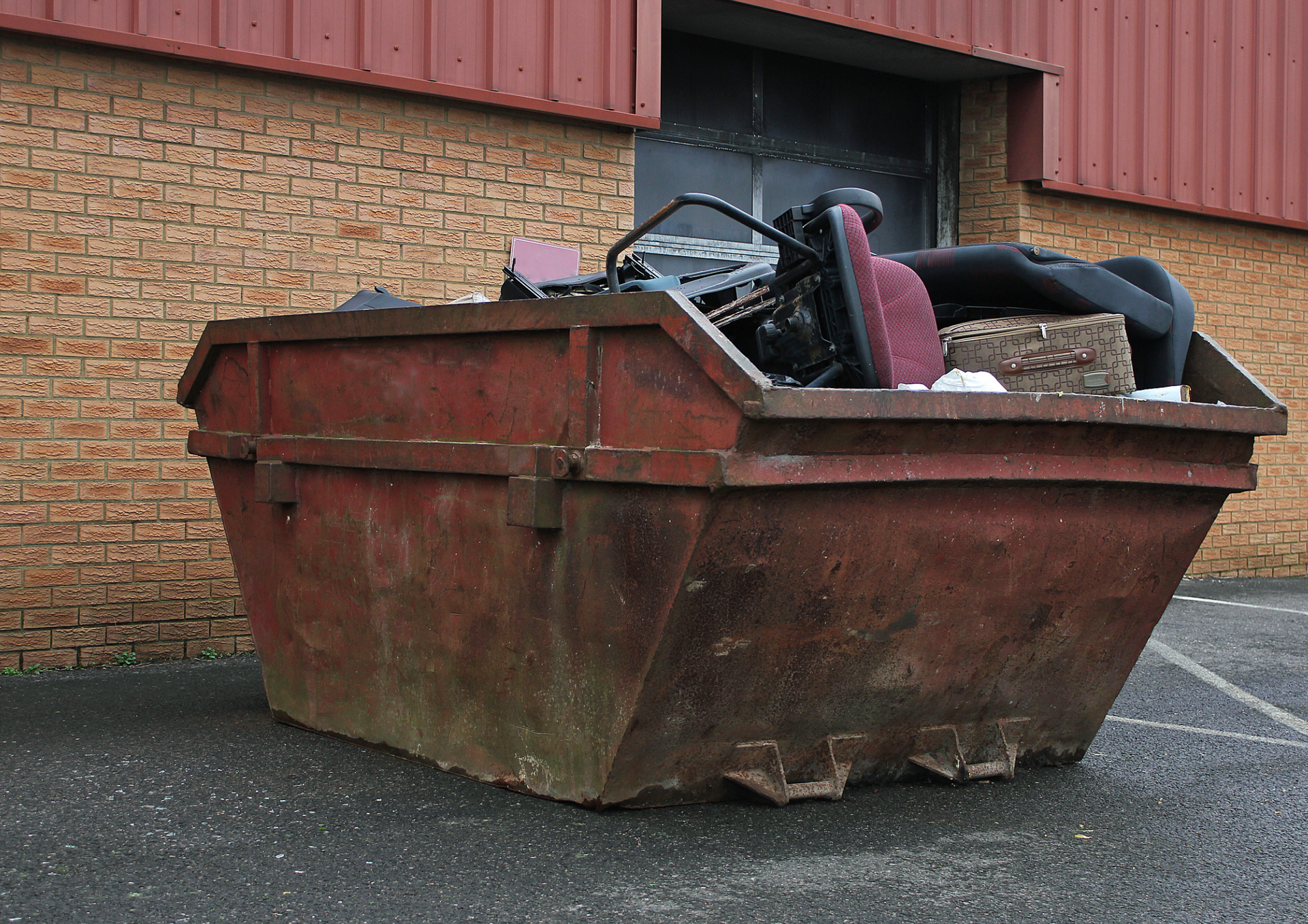
The ideal position should provide convenient access for loading while leaving enough room for the delivery vehicle to approach, position and later collect the container. When arranging skip hire, driveways and other areas of private land are often practical options, although not every property has sufficient space. Projects involving restricted sites, shared access or limited parking may require additional planning before delivery.
Assessing the Site Before Your Skip Arrives
A suitable position needs to work for the customer, the project and the vehicle delivering the container. Examining the site beforehand can identify potential access difficulties and make it easier to determine where the container can be positioned practically.
Driveway Space
- A private driveway is often a convenient option because waste can be kept close to the property without occupying a public road.
- Measure the available area before booking rather than assuming that sufficient space is available.
- Consider whether household vehicles will still need access while the container is in position.
- Gates, walls, pillars and narrow entrances should be taken into account when assessing the available width.
- The surface should also be considered, particularly where paving or other finished materials are present.
Delivery Vehicle Access
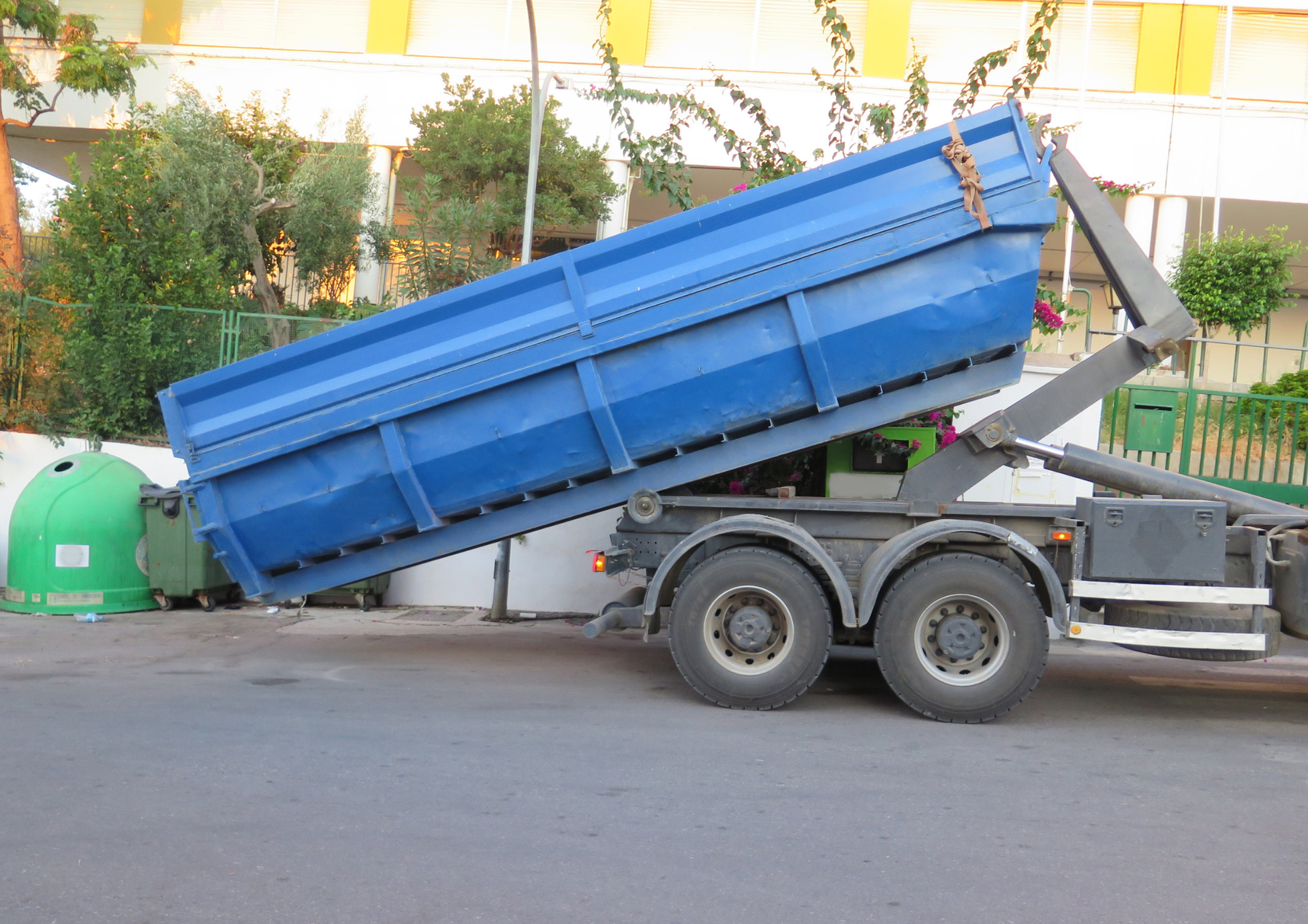
- The container itself is only part of the space requirement, as the delivery vehicle needs adequate room to approach and manoeuvre.
- Parked vehicles, narrow roads, sharp corners and restricted entrances may affect access.
- Overhead obstacles such as branches, cables or structures should be identified before delivery.
- Customers should explain unusual site conditions when booking so appropriate arrangements can be considered.
- Keeping the delivery area clear on the agreed day can help avoid unnecessary disruption.
Loading Convenience
- Positioning the container reasonably close to the work area can reduce the distance materials need to be carried.
- A convenient location can be particularly useful when removing bulky renovation debris or large quantities of household waste.
- Access routes between the work area and container should remain as clear as reasonably possible.
- The position should not unnecessarily obstruct doors, garages or frequently used pathways.
- Planning the loading route beforehand can make ongoing waste disposal much more efficient.
Project Requirements
- A short household clearance may have different positioning requirements from a lengthy renovation or commercial project.
- Consider how frequently the container will be used and how long it is expected to remain on site.
- Other trades, deliveries and equipment movements should be considered when planning its location.
- Larger projects may need enough surrounding space to maintain practical access throughout different stages of work.
- Customers searching for skip hire near me should discuss site-specific access requirements with their chosen provider rather than assuming that every property can accommodate the same placement arrangements.
A brief assessment before booking can therefore prevent many common positioning difficulties. It also gives the provider useful information that can help them understand the property and determine whether the proposed location is practical.
Choosing Between Private Land and a Public Road
Private property is frequently the simplest location for a container because it can reduce the administrative considerations associated with occupying public space. A driveway, yard or suitable area within a commercial site may provide convenient access while keeping the container close to where waste is being generated. However, the ground and surrounding space must still be appropriate for delivery and collection.
When considering skip bin hire, customers should think carefully about the surface beneath the proposed position. A level, firm area generally provides a more practical base than uneven or soft ground. Decorative paving, recently completed surfaces and areas that may be vulnerable to heavy loads deserve particular consideration before the container is positioned. Discussing concerns with the provider before delivery can help identify an appropriate approach.
Not every property has a driveway or suitable private space. Terraced homes, flats, town-centre premises and certain commercial properties may have limited off-road areas. In these circumstances, roadside positioning might need to be considered. Placing a container on a public highway can involve local authority requirements, so customers should establish what arrangements apply before the intended delivery date.
Local requirements can vary, which is why assumptions should be avoided. The relevant authority may determine where a container can be placed, how long it can remain there and whether particular visibility or safety measures are required. Planning this in advance is particularly important when the project has a fixed starting date.
Roadside positioning should also take neighbouring properties and general access into account. A location that appears convenient for one property could potentially interfere with parking, entrances or traffic movement. Considering the wider surroundings helps minimise disruption while allowing waste removal to remain practical.
For commercial properties, the available options may be different again. Business premises sometimes have yards, loading areas or designated spaces that can accommodate waste containers. However, daily deliveries, staff vehicles, customer access and operational activities all need to be considered. The most convenient empty space is not necessarily the most practical location once normal business activity begins.
Good planning means considering the entire hire period rather than focusing only on delivery day. A location should remain workable as the project develops, particularly if other contractors, equipment or materials will be arriving later.
Making Skip Placement Safe and Convenient
Good positioning should make waste disposal easier without unnecessarily interfering with people using the property. Looking at how the site will operate throughout the project helps identify a location that balances accessibility with convenience.
Keep Access Routes Clear
- Avoid unnecessarily blocking frequently used entrances, pathways and gates.
- Consider how residents, workers, visitors and contractors will move around the property.
- Emergency and essential access routes should remain unobstructed.
- Commercial premises should consider customer and delivery access throughout normal operating hours.
- The container should be positioned so waste can be loaded without creating avoidable obstructions.
Consider Other Project Activities
- Building materials may need to be delivered during the project, requiring sufficient vehicle access.
- Scaffolding, machinery and contractor vehicles can change how much usable space remains on site.
- Planning all major site activities together can prevent different requirements from competing for the same area.
- Think beyond the first day and consider how the site layout may change as work progresses.
- Discussing the schedule with contractors can help identify a position that remains practical.
Think About Neighbours
- Residential projects should consider shared driveways and neighbouring access points.
- Avoid choosing a location that unnecessarily restricts another property's entrance.
- Where access is shared, early communication can help prevent misunderstandings.
- Keeping the surrounding area organised also reduces disruption during longer projects.
- Consideration is especially important on narrow residential streets where available space may already be limited.
Plan for Collection
- The delivery vehicle will need suitable access again when the container is ready for removal.
- Avoid allowing materials, vehicles or equipment to block the collection route during the project.
- Make sure the surrounding area can be cleared before the agreed collection.
- Consider whether later stages of building work could make the original access route unavailable.
- Different sizes of skip bins require appropriate positioning and vehicle access, so collection requirements should be considered when selecting the location initially.
Planning for both delivery and removal creates a more efficient arrangement. It can also reduce the possibility of needing to reposition equipment or reorganise the site later because access has become restricted.
Avoiding Common Placement Problems During a Project
One of the most frequent mistakes is deciding where the container should go only when the delivery vehicle arrives. By that stage, options may be limited. Vehicles may be parked in the intended area, building materials could already occupy the available space, or an access restriction may become apparent that was not previously considered. Assessing the location before booking provides more time to resolve these issues.
Another common problem is focusing entirely on proximity to the property. Naturally, customers want waste disposal to be convenient, but the closest possible position is not always the best one. A container placed immediately beside the working area might block contractor access, prevent another delivery from taking place or make it difficult for vehicles to manoeuvre later.
Surface conditions are another consideration. Gardens, grassed areas and soft ground may appear to provide plenty of space, but they may not offer an appropriate base. Weather conditions can also change the suitability of some surfaces. A firm area that supports practical delivery and collection is generally preferable.
Customers should also avoid estimating dimensions by sight alone. What appears to be a large driveway can become considerably smaller once parked vehicles, walls, gates and the necessary manoeuvring area are taken into account. Measuring the available space provides more useful information when discussing placement with a provider.
Overhead clearance can easily be overlooked. Trees, cables, building projections and other obstacles may affect vehicle operations even when there appears to be ample room at ground level. Identifying these features beforehand allows them to be considered during planning.
Public road placement requires particular attention. Customers should not assume that an available parking space automatically means a container can be placed there. Requirements concerning public highways should be established before delivery, allowing sufficient time for any necessary arrangements.
The position should also remain accessible throughout the hire period. Contractors sometimes place materials, equipment or vehicles around the container after delivery without considering how it will eventually be removed. Keeping the collection route available helps prevent complications when the project reaches the waste removal stage.
People searching for skips near me may naturally focus first on availability, but discussing placement with the provider is equally worthwhile. Providing accurate information about access, the proposed location and potential restrictions can help establish suitable arrangements before the delivery vehicle reaches the site.
Careful planning becomes particularly valuable on larger residential and commercial projects. Surveyors, property managers and local authorities may need to coordinate several activities simultaneously, making organised site layouts essential. Establishing a designated waste area early can help prevent discarded materials from spreading into other working zones and make ongoing clearance more manageable.
Skip Hire Oldham provides practical waste management support for customers undertaking projects throughout Oldham and the surrounding area. We understand that properties vary considerably, which is why careful planning is important when deciding what size is appropriate and where it can reasonably be positioned.
Our approach to skip bin hire focuses on clear communication from the initial enquiry through to collection. Customers can explain their project, available space and any access considerations so these factors can be taken into account before arrangements are made. Whether the work involves a household clearance, renovation, landlord project or commercial property, we aim to make the process straightforward and manageable.
We also recognise that customers arranging skip hire may have questions about positioning, available sizes and collection arrangements. Providing relevant information before delivery helps reduce uncertainty, allows customers to prepare the site appropriately and supports a smoother waste removal process from delivery through to final collection.
Check out our latest X update on choosing the right placement for
skip hire during your home or building project!
You might also like